
Composite Image of a Rugby Player Scoring a Try Stock Image Image of 2024, caucasian 108056077

Tries - The Basics. The most basic way of scoring points in rugby is through a try. You score five points for your team when carrying or kicking the ball over your opponents' goal line and touching it down on their side of the field. After a successful try has been scored, there is an opportunity for extra points - known as 'conversions.
Rugby needs a new scoring system to herald a more attacking 2021

A successful conversion is two points and it is seen as a dead ball kick because play restarts with a kickoff whether the conversion is successful or unsuccessful. 4. Drop Goal (also known as a field goal) While the drop goal is the least common way points are scored, it is a method England rugby fans will be very familiar with.
Rugby player scoring a try Stock Photo Alamy
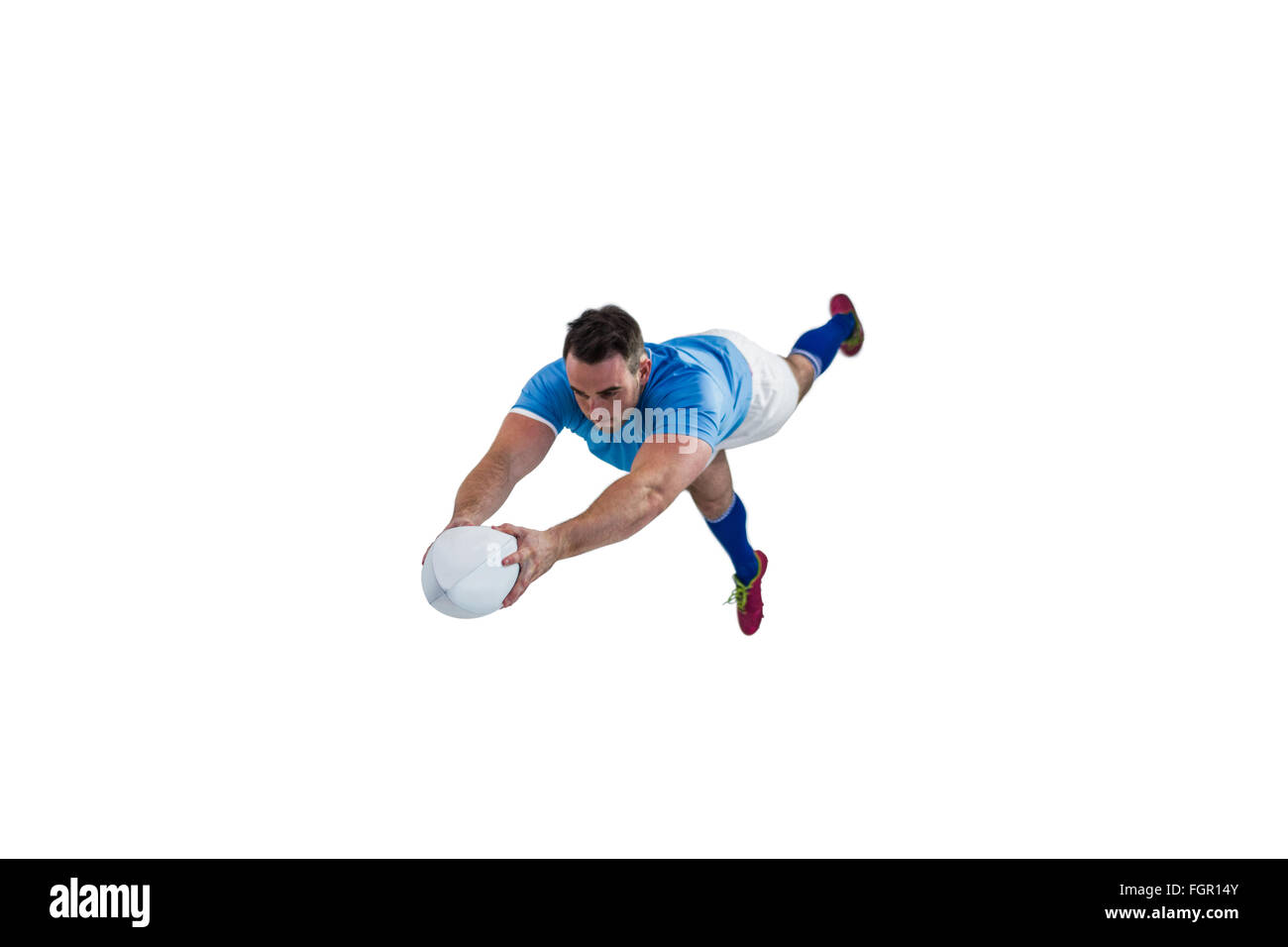
GCSE; AQA; Rugby union - factfile Rugby union scoring, rules and officials. Rugby union is played by two teams of 15 players with an oval-shaped ball. The object is to score points against the.
Rugby Opens Season With Three Big Matches Delbarton Athletics

Rugby is an intense, fast-paced sport with lots of excitement on the field. It has a wide range of scoring opportunities, and understanding the rules and regulations around how to score can help you make the most out of playing rugby. From tries and conversions to penalties and drop goals, this blog post will provide a comprehensive overview of.
Rugby Scoring Software & Fan Engagement ScoreVision
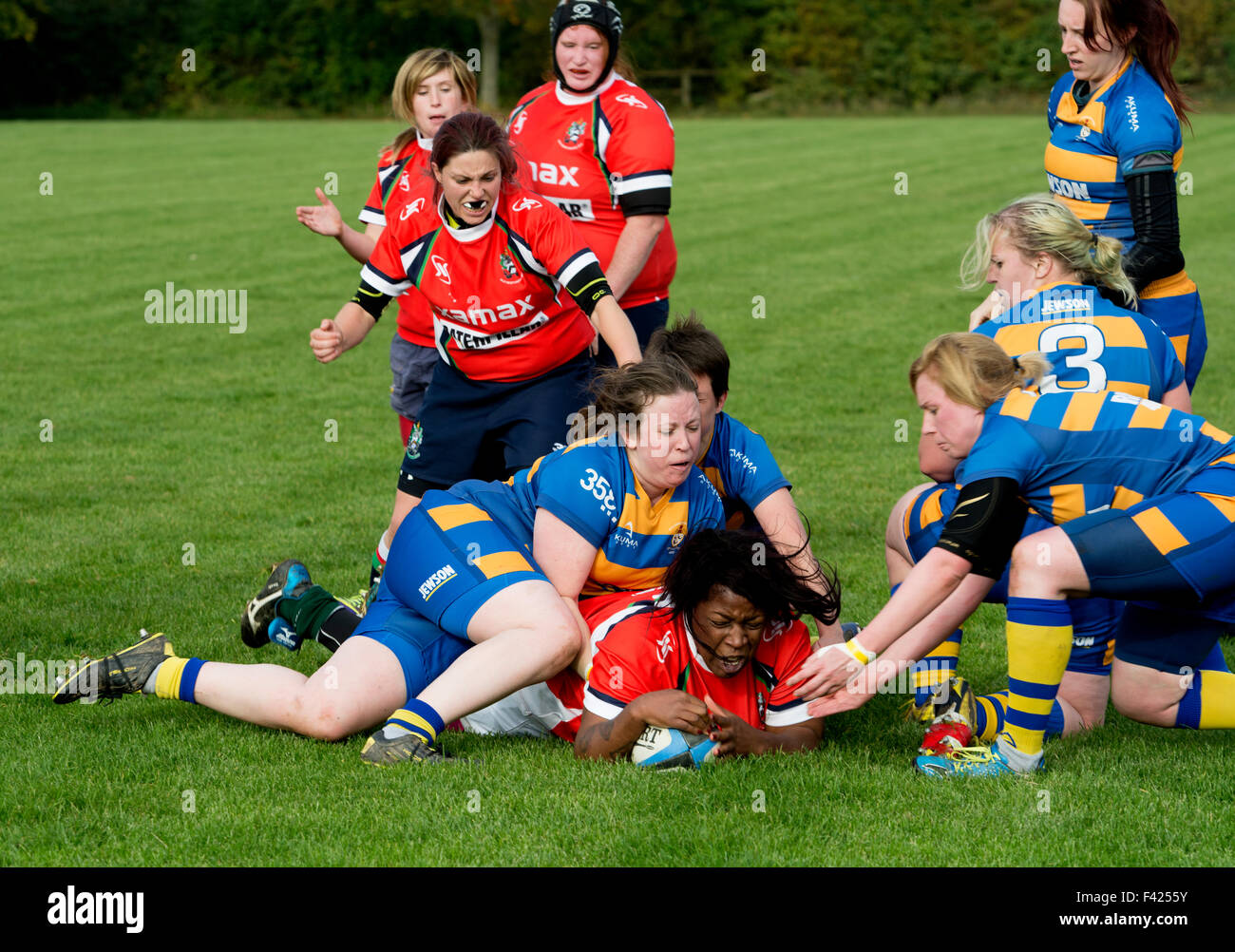
Scoring a try is the best way to rack up points in rugby. A try is scored when the attacking team crosses the defending teams goal-line and puts the ball on the ground in their in-goal area. When a try is scored the referee raises his arm and blows his whistle. Both the try and the penalty try are worth 5 points each.
Rugby Rules 101 Field Size, Scoring, & Time Keeping FloRugby

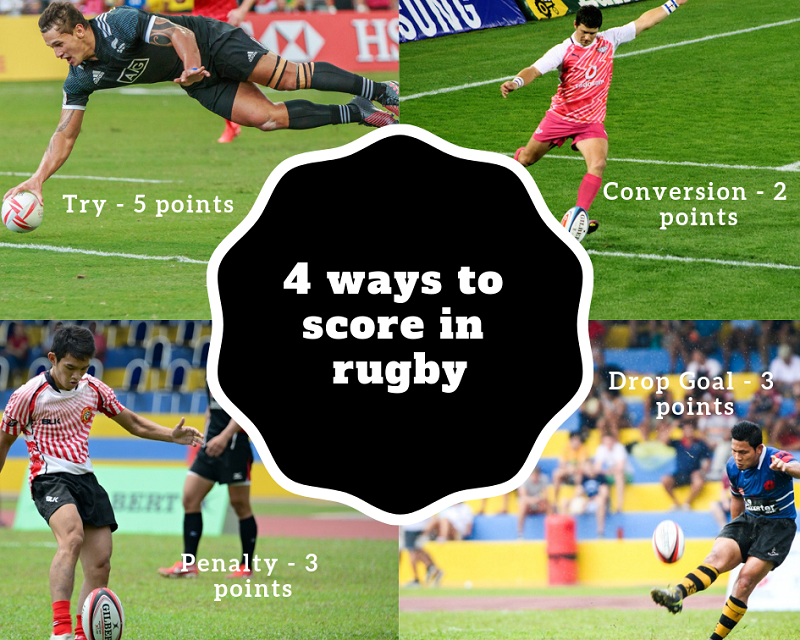
There are four ways to score in rugby union, you can score five points for a try, two for the following conversion, three for a penalty and three for a drop goal. You can also score seven points for a penalty try where the two conversion points are automatically awarded. Let's break that down a little bit further and look at a few nuances of.
PPT RUGBY PowerPoint Presentation, free download ID982325

There are two methods of scoring points in rugby union: tries and goal-kicking. Tries are the most effective way of racking up a big score, with five points awarded when a team touches the ball.
RUGBY 101 "SCORING" YouTube

The Crossword Solver found 30 answers to "method of scoring in rugby (4,4)", 8 letters crossword clue. The Crossword Solver finds answers to classic crosswords and cryptic crossword puzzles. Enter the length or pattern for better results. Click the answer to find similar crossword clues . A clue is required.
Composite Image of Rugby Player Scoring a Try Stock Image Image of scoring, shining 59770641

Drop Goals. Drop goals are worth one point in rugby league and three points in both rugby union and rugby sevens. They are usually attempted when the offense is getting tired and will not be able to score a try. (These are similar to field goals in American football.) Drop goals are drop kicks that occur during the run of play.
Composite Image of a Rugby Player Scoring a Try Stock Image Image of reaching, playing 59773801

Scoring a try Scoring a try is the quickest way to amass the most points in rugby. A try is the highest number of points a rugby team can score at one time, similar to scoring a touchdown in football. In fact, rugby is where the term "touchdown" came from, because the ball must actually be touched down for a try to be awarded. A try is scored.
Composite Image of a Rugby Player Scoring a Try Stock Photo Image of competitive, focus 59768602

Try - 5 points. A try is scored when the ball is grounded over the opponents' goal-line in the in-goal area. A penalty try can be awarded if a player would have scored a try but for foul play by the opposition. A penalty try is now worth seven points with no conversion attempted.
Rugby(4) SLIIT

World Rugby state that: "A try is scored when the ball is grounded over the opponents' goal-line in the in-goal area.". Quote Source. A try can be scored in two distinctive ways: 1. A try is scored when a player touches the ball on the ground, whilst he or she is holding it in his/her arms or hand (s) 2. If a ball is loose in the in-goal.
Sport rugby union scoring hires stock photography and images Alamy
In rugby, there are several ways to score points: Try (5 points): When a player touches the ball down in the opponent's in-goal area. Conversion (2 points): After scoring a try, the scoring team has an opportunity to kick the ball over the crossbar and between the posts. Penalty Kick (3 points): A team can score a penalty kick by kicking the.
How does the rugby point scoring system work? ActiveSG
The fly-half typically scores the most points in rugby. This position is responsible for kicking for goal and converting tries, as well as directing the team's attack and making strategic decisions on the field. Fly-halves have a key role in converting scoring opportunities into points, and they are often considered the playmakers of the team.
Composite Image of a Rugby Player Scoring a Try Stock Image Image of rugby, holding 59769669

Rugby union, on the other hand, has a scoring rate that is much higher and that has increased over time (Figures 3 and 4). In the 1960s, rugby was effectively a 4-2 game; now it is an 8-4+ game. We can speculate about why there is more scoring now than in the past: increased penalty kick success, better pitches, and rule changes that lead.
Composite Image of a Rugby Player Scoring a Try Stock Photo Image of reaching, digital 59769618

The number of points from a try has progressed from one to five throughout the history of the sport. There have been several changes to the scoring system of rugby. At the inception of competitive rugby in 1890, a try was worth one point. By 1893, a try was worth three points until it changed to four points in 1971.